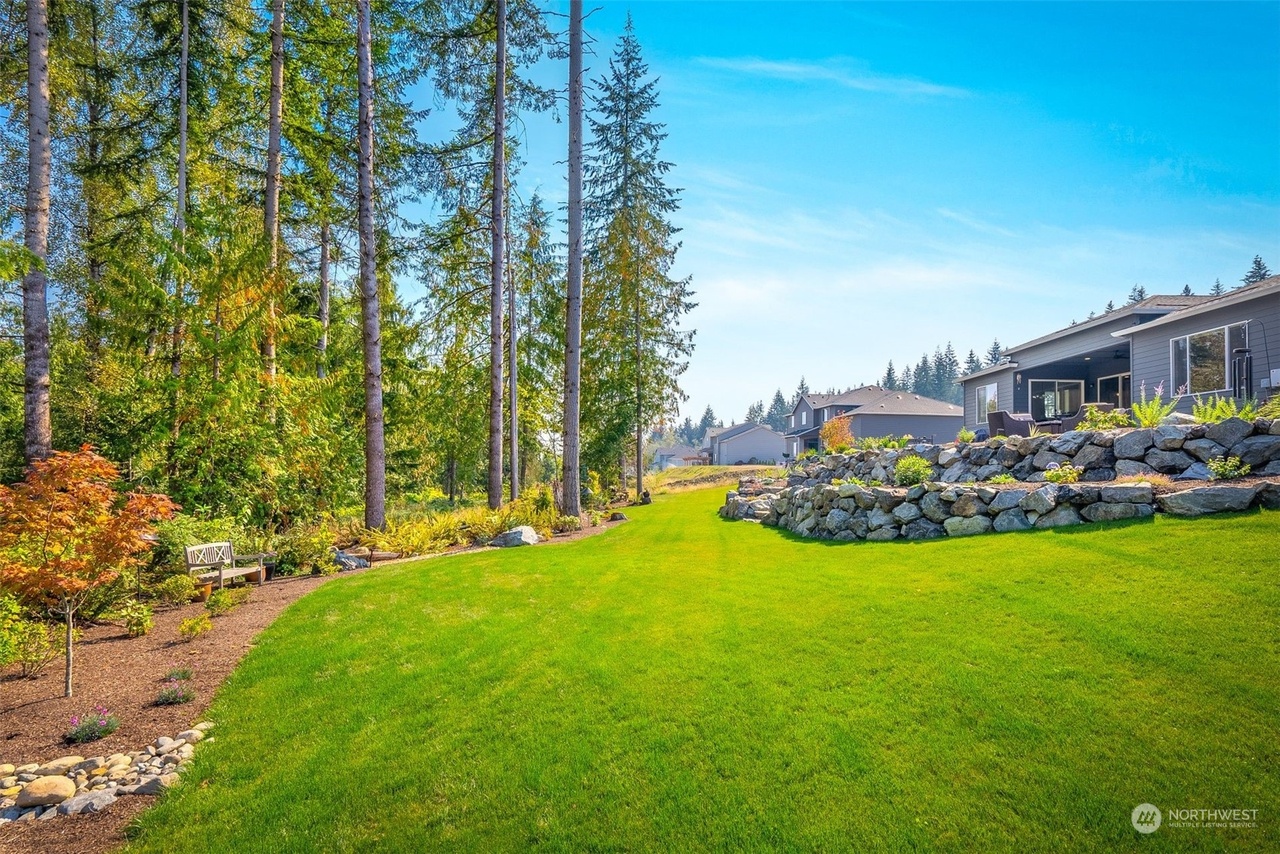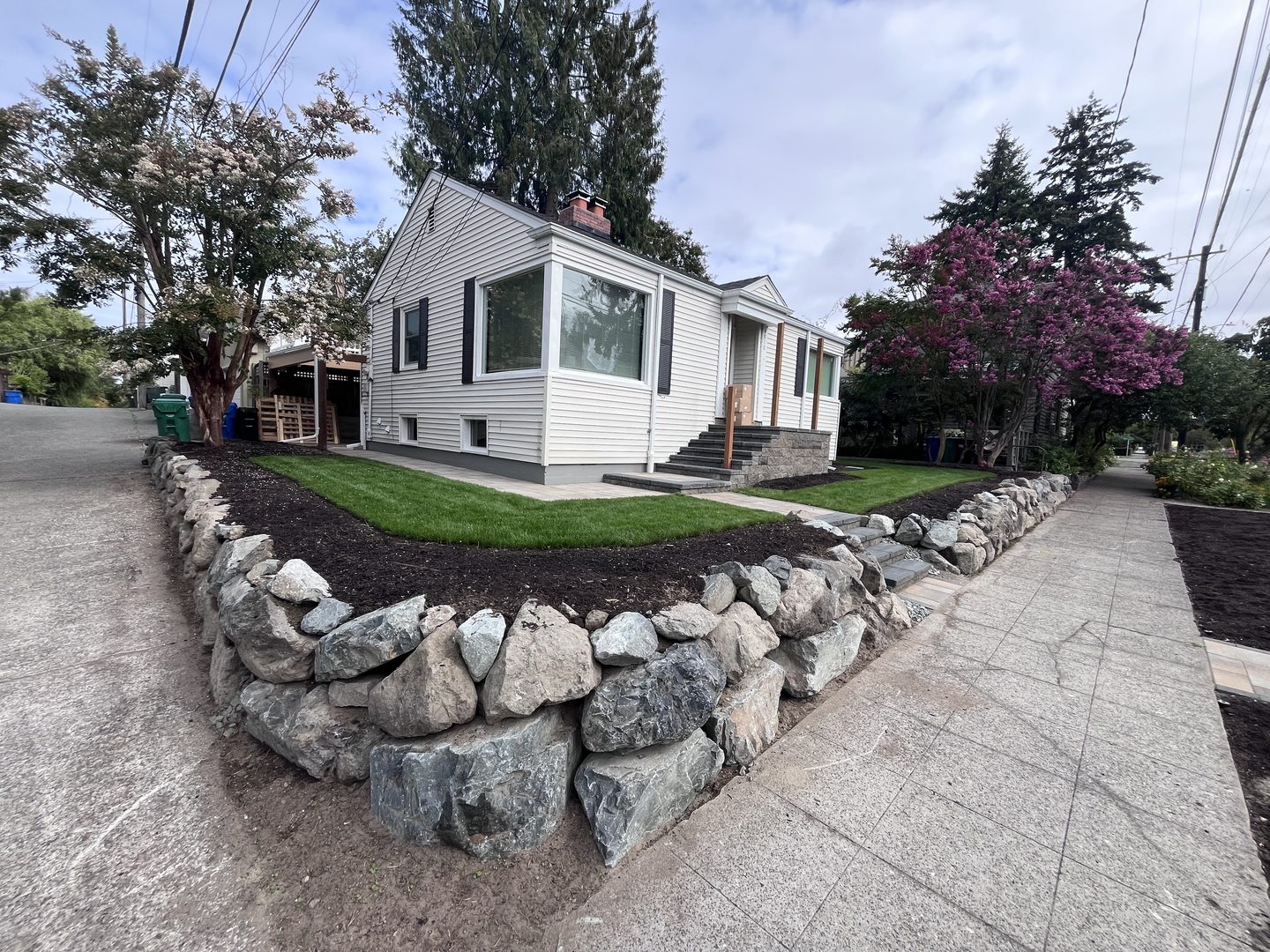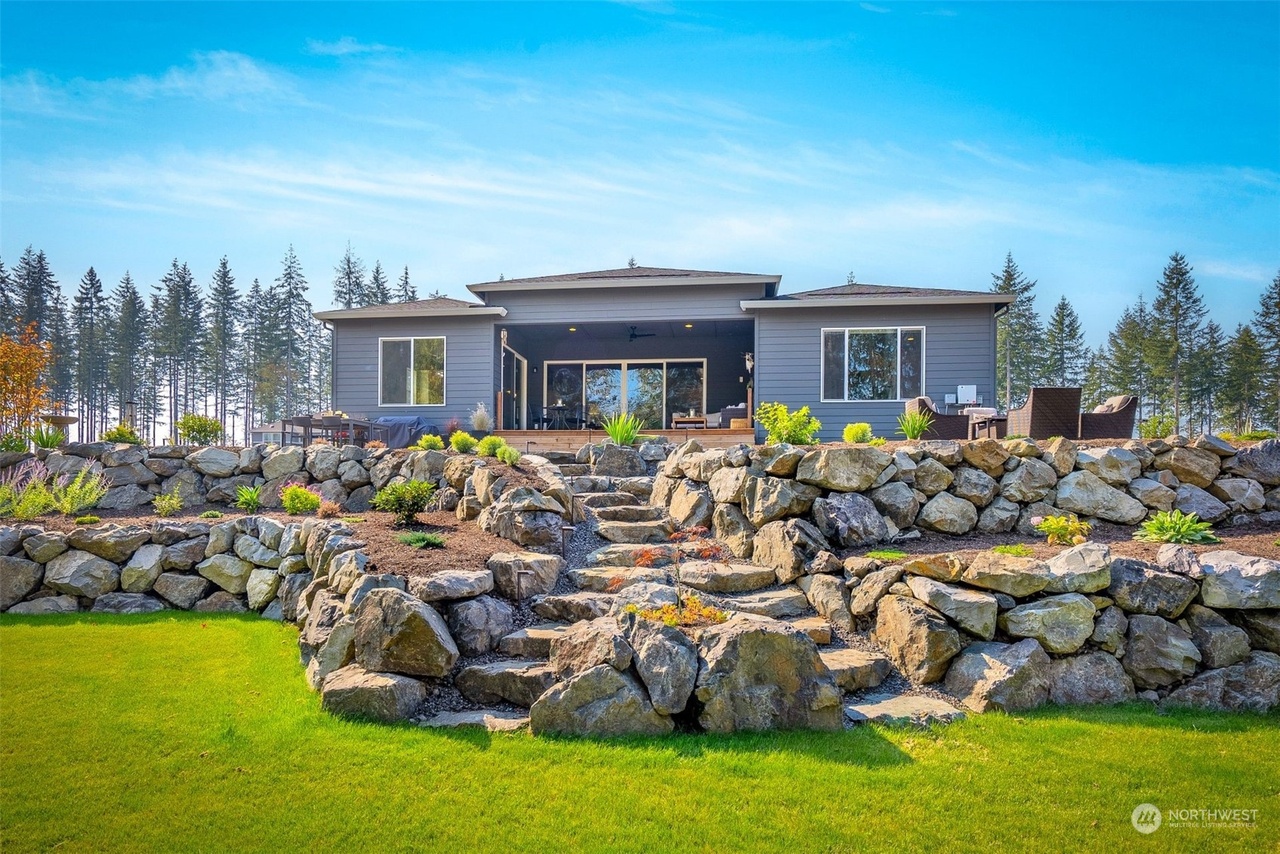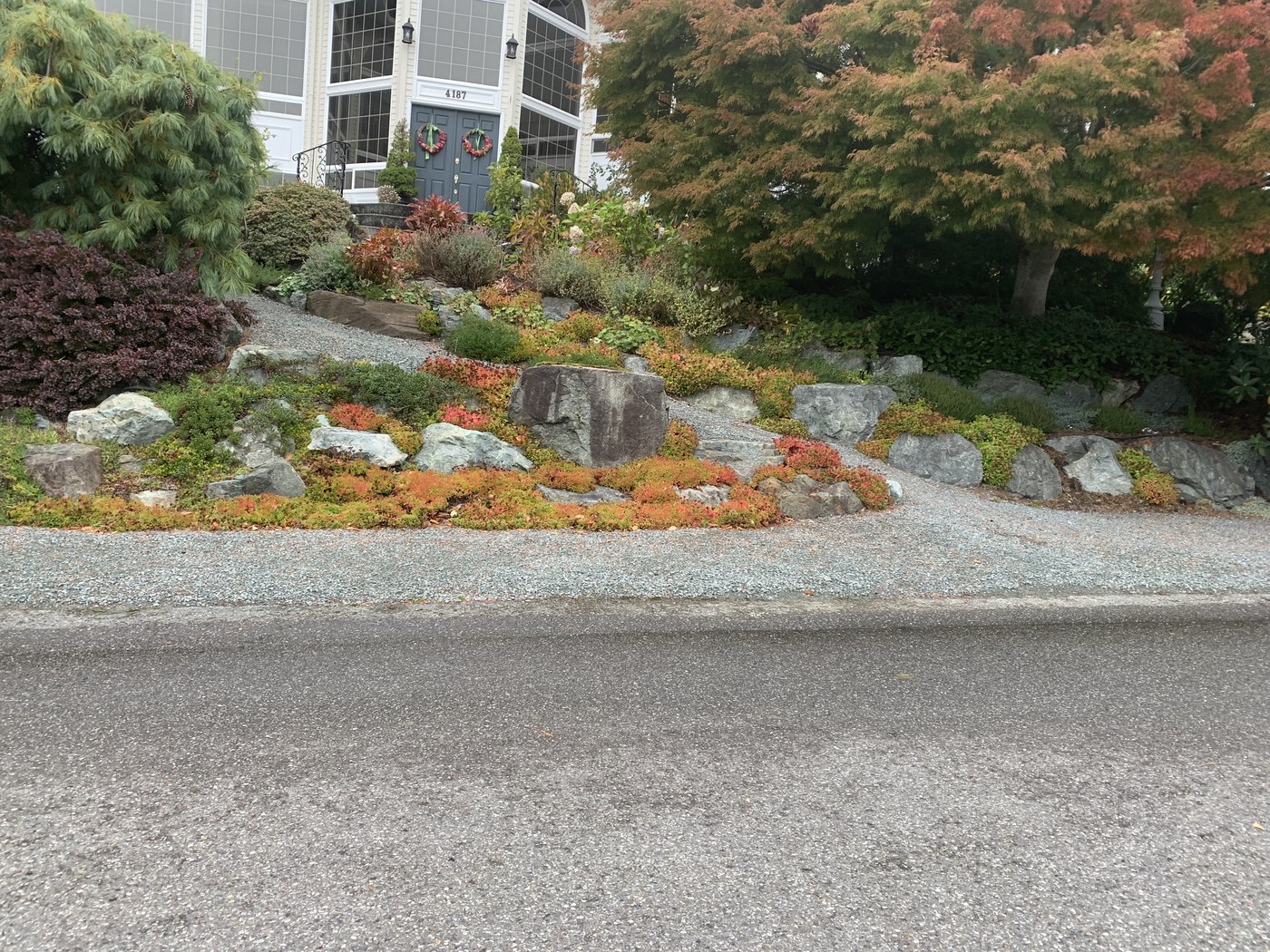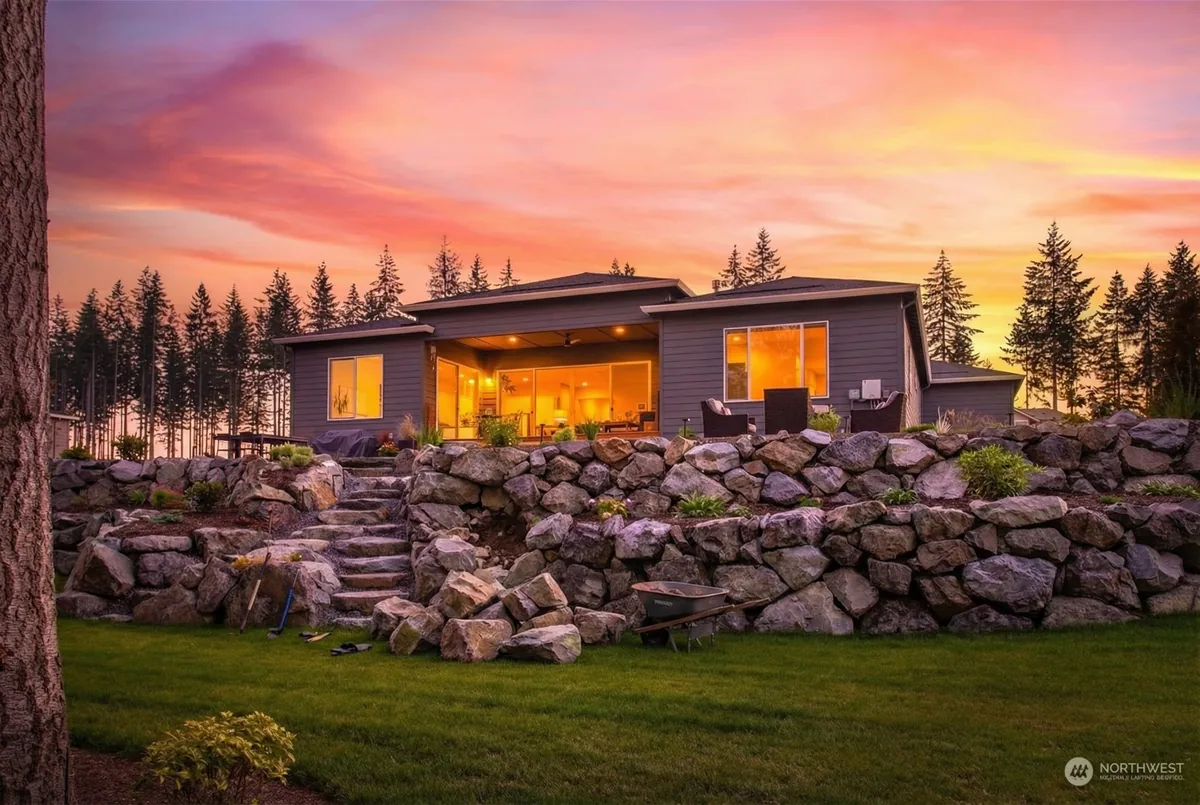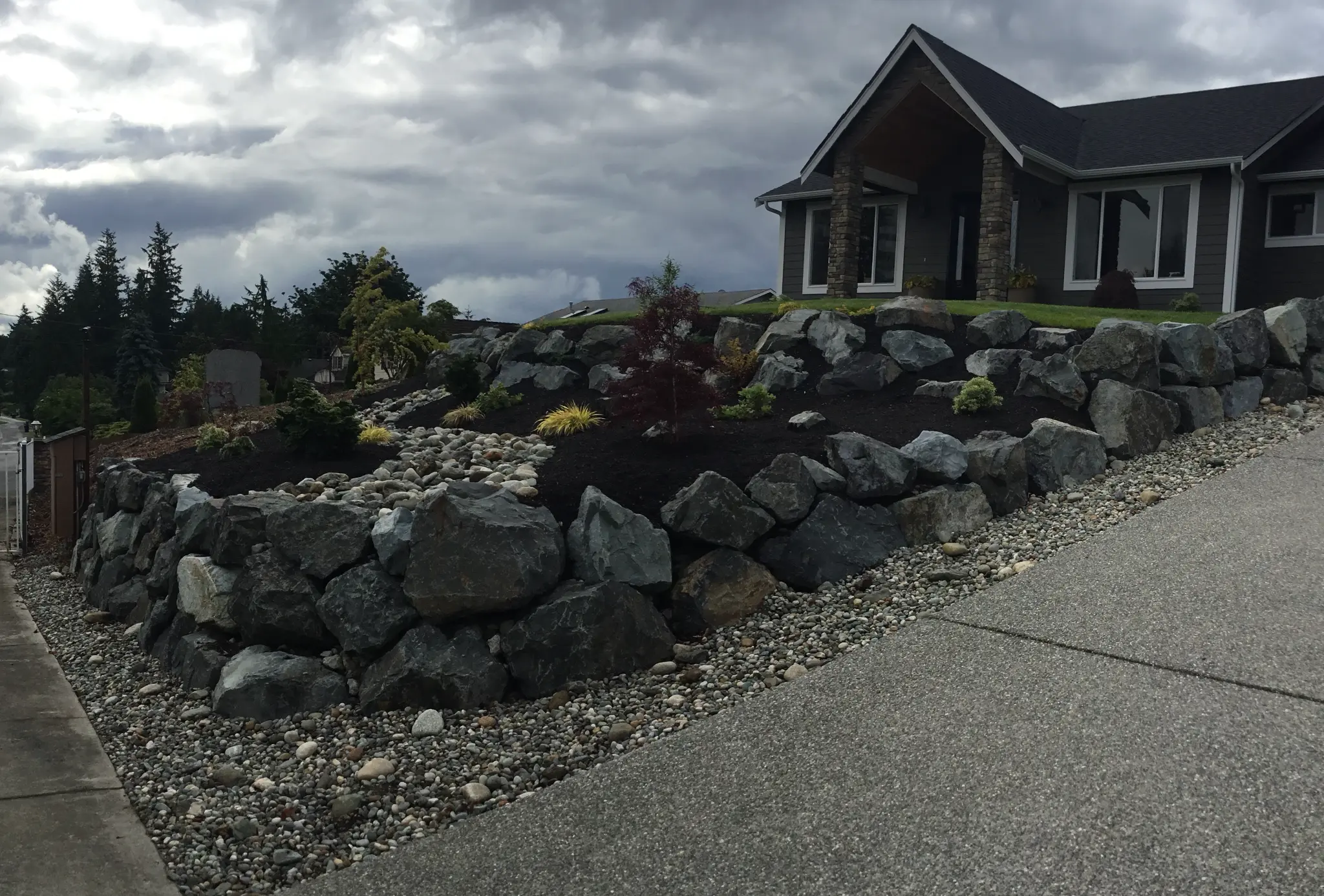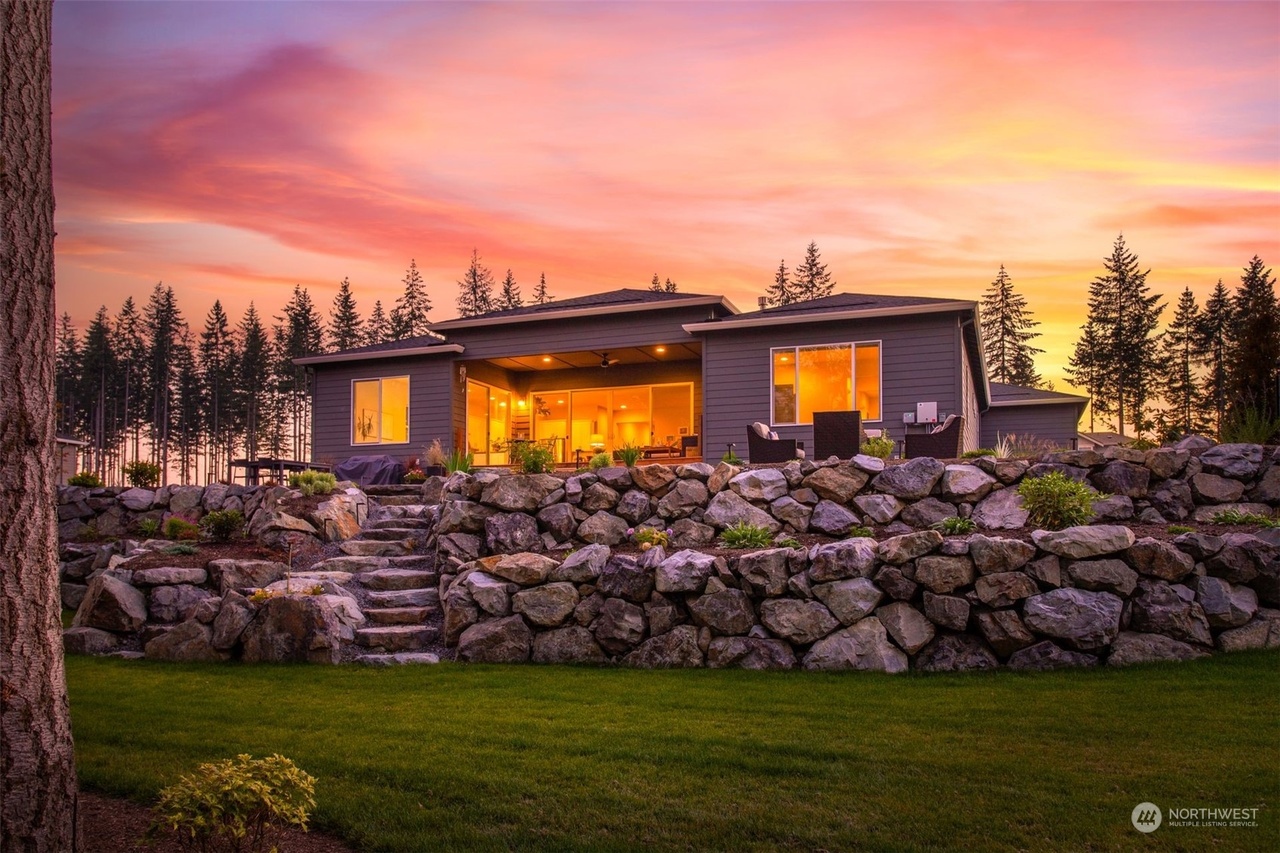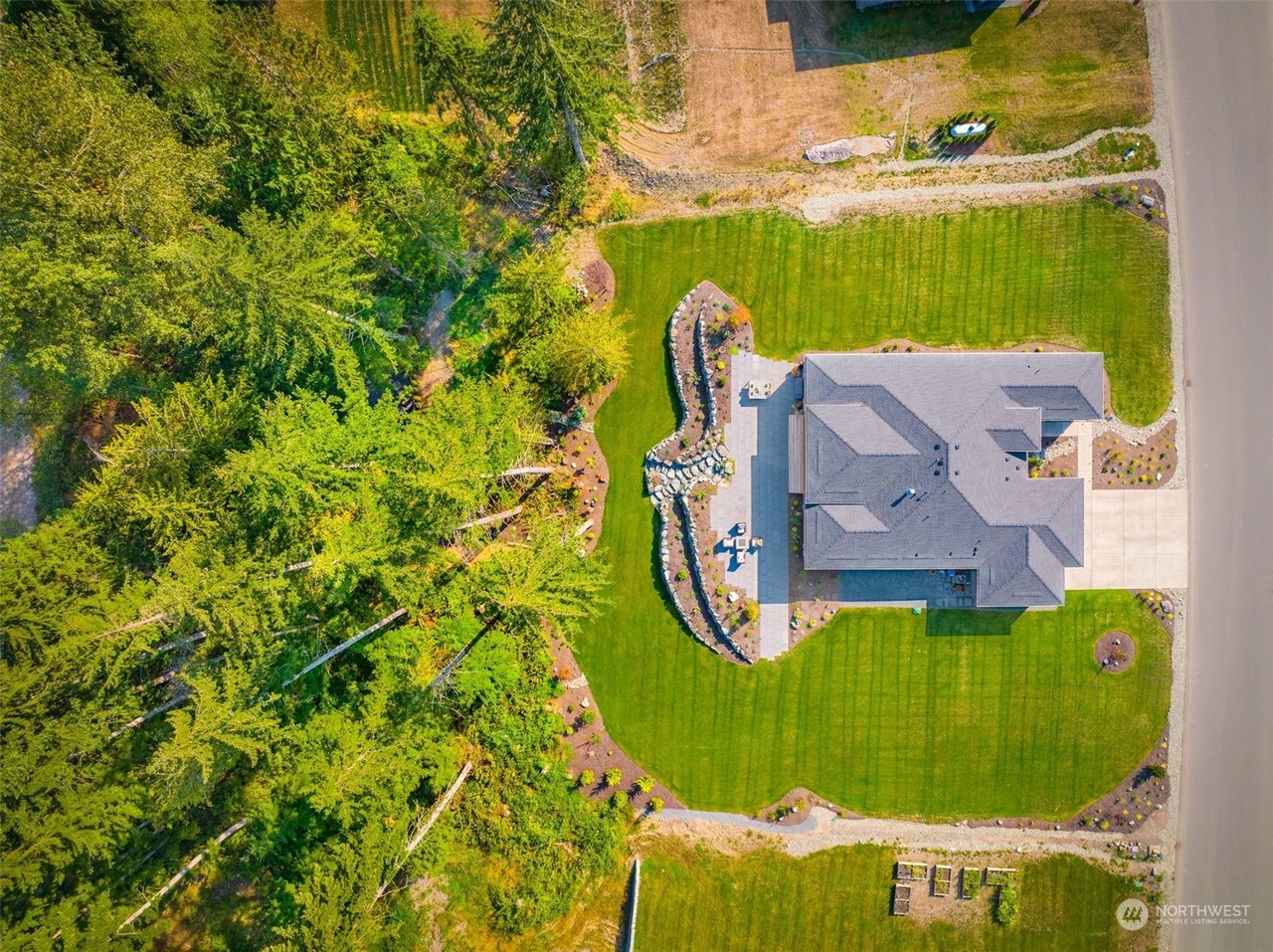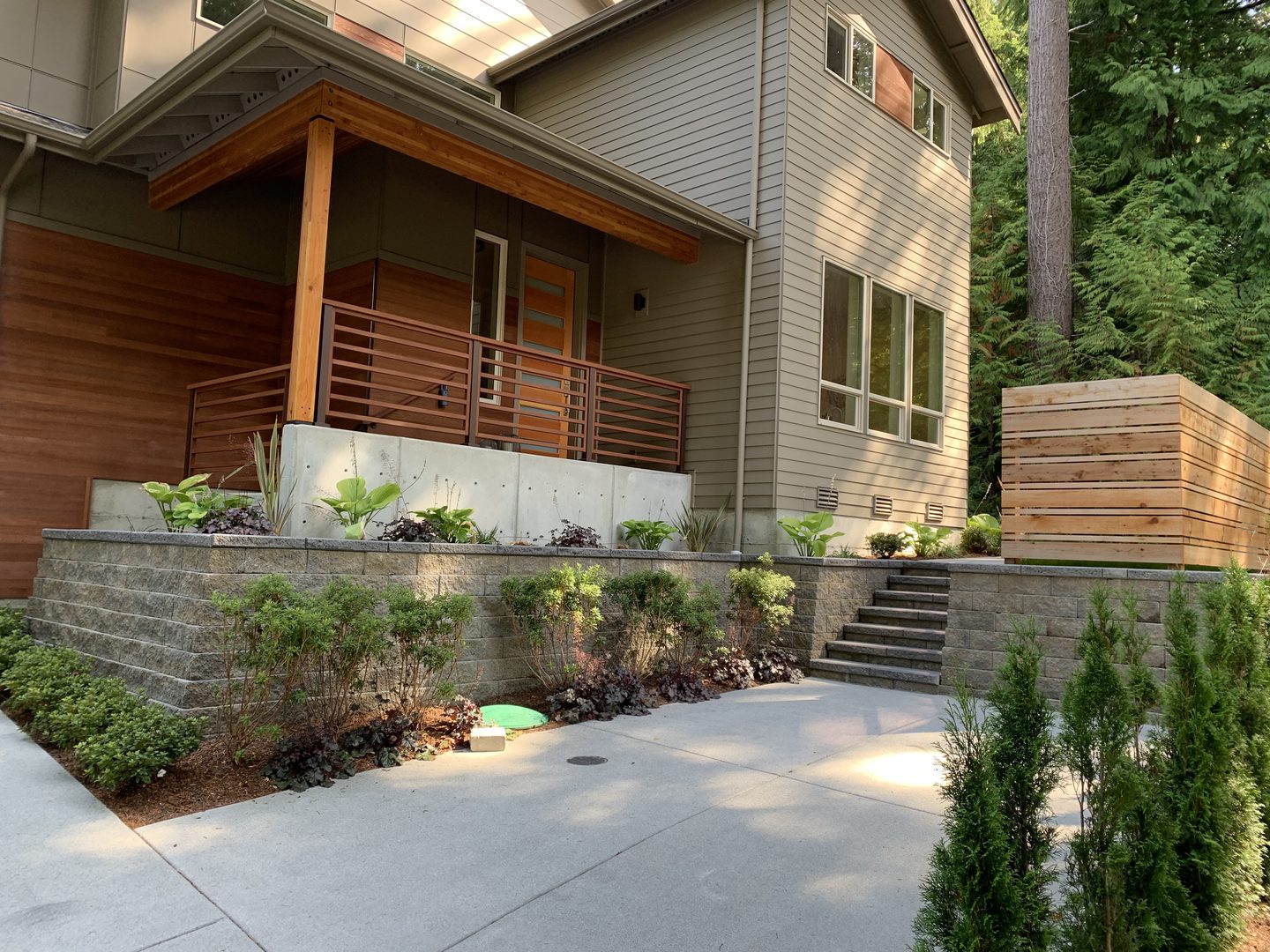
A rock retaining wall seattle refers broadly to any wall made from rock that holds back soil or resists lateral earth pressure including mortared, engineered, and boulder systems. For homeowners seeking durability and natural beauty, a stone retaining wall is another excellent option, offering long-lasting strength and a timeless appearance. A rockery, by contrast, specifically refers to a dry-stacked, unmortared rock wall that relies on the weight, interlock, and batter of the stones themselves for structural integrity.
Rockeries are a beloved Seattle tradition, many of the city’s oldSeattle’s iconic hillside neighborhoods – from Queen Anne and Capitol Hill to Magnolia and Beacon Hill – are defined as much by their rugged natural terrain as by their architecture. For homeowners looking to manage steep slopes, prevent erosion, and transform unusable land into beautiful outdoor spaces, rockery walls have long been the solution of choice.
Hiring an experienced rockery contractor seattle residents trust, with a dedicated team committed to client satisfaction, is the surest path to a wall that is structurally sound, visually stunning, and built to endure decades of Pacific Northwest weather. New Life Rockeries is a fully licensed and insured Seattle area retaining wall company.
In this comprehensive guide, we cover what rockery walls are, how rockery installation seattle projects are planned and executed, what they cost, and how they compare to a traditional rock retaining wall seattle homeowners also commonly consider. Our team is committed to delivering custom designs that enhance the beauty and aesthetic appeal of outdoor spaces for clients across the greater Seattle area. By the end, you’ll have everything you need to make a confident decision about your property.
What is a rockery wall – and how is it different from a retaining wall?
The term “rockery” is used throughout the Pacific Northwest – and particularly in Seattle to describe a dry-stacked natural rock structure built into a hillside or slope. While the terms “rockery” and “rock retaining wall” are often used interchangeably, there is a subtle distinction worth understanding. Rockery retaining walls are structural features, typically 3-15+ feet tall, designed to hold back soil and prevent erosion on slopes, and often require permits and engineering.
Rockery walls built before modern engineered retaining wall systems became widespread are extremely common in Seattle’s pre-war neighborhoods. Rock gardens are decorative landscape features, usually ground-level to 3 feet, focused on aesthetics with stone and plant integration, and typically do not require permits.
Many homeowners today are repairing, rebuilding, or extending existing rockeries – making experience with legacy structures, as well as a focus on craftsmanship and restoration services, an important qualification when hiring a rockery contractor seattle.
Why rockery walls are ideal for Seattle’s landscape
There are many reasons why rockery installation seattle remains in high demand even as newer engineered wall systems have entered the market. Rockeries offer a unique combination of structural, environmental, and aesthetic benefits that are especially well-suited to Seattle’s conditions. Rockeries enhance the aesthetic appeal and natural beauty of Seattle backyards and garden beds, transforming outdoor spaces into visually stunning and functional environments.
In addition to their visual appeal, rockeries provide essential support and erosion control for steep slopes, helping to preserve soil and maintain landscape stability. This makes them an excellent choice for homeowners looking to protect their property while also improving its appearance.
Rockeries can also be designed to integrate drought-tolerant perennials and ornamental grasses with stone features, creating beautiful and low-maintenance rock gardens that thrive in the Pacific Northwest climate.
Well-built rockeries in Seattle regularly last 50 to 100+ years. Basalt and granite — the most common local rock types — are highly resistant to moisture, frost, and UV degradation.
Pacific Northwest aesthetic
Nothing blends more naturally into Seattle’s urban forest and hillside landscape than a moss-covered basalt rockery, celebrated for its beauty and aesthetics that enhance curb appeal. It is the defining landscape feature of dozens of the city’s most admired neighborhoods.
Habitat & ecology
Rockery walls create microhabitats for native plants, mosses, ferns, insects, and small wildlife — aligning with Seattle’s strong culture of environmental stewardship and native gardening.
Custom designs by a rockery contractor in Seattle can further enhance habitat value by incorporating features tailored to support native plants and attract local wildlife.
Low maintenance
Unlike timber walls that rot or concrete walls that crack, dry-stacked rockeries require very little ongoing attention beyond occasional inspection and minor re-stacking of shifted stones.
Property value
A beautifully designed rockery adds significant curb appeal and usable outdoor space — consistently one of the highest-return landscaping investments in Seattle’s competitive real estate market.
Types of rock used in Seattle rockery installation
A skilled rockery contractor seattle will help you select the right rock type for your project based on your slope’s height and angle, aesthetic goals, and budget. Experienced rockery contractors are familiar with local materials, such as blue-gray basalt, and know how to select the right stone for each job to ensure both durability and visual appeal. Here are the most commonly used materials for rockery installation seattle projects:
Basalt
The quintessential Seattle rockery material. Volcanic basalt is locally sourced from Eastern Washington and the Columbia River Gorge. Its angular, columnar form stacks beautifully and develops a classic moss patina over time. Basalt rockeries are also known for their firm installation and long-lasting durability.
Granite
Extremely dense and durable, granite is ideal for larger rockery walls and boulder applications. Its speckled gray-and-white appearance brings a refined, timeless quality to Seattle landscape designs.
Fieldstone & river rock
Rounded fieldstone and river rock create a softer, more informal rockery style. Popular for low garden walls, pathways, and properties with a cottage or woodland garden aesthetic, these materials are also often used in custom designs for garden beds.
Armor rock / boulders
Large irregular boulders used for tall, steep, or high-load rockery applications. Commonly used near shorelines, steep driveways, and on properties with significant grade changes requiring heavy engineering. Large boulders are also a key element in hardscape projects for challenging terrain.
Sandstone & quartzite
Flat-faced sandstone and quartzite offer a more uniform, stacked-slate appearance. Often chosen for front yard feature walls and garden terraces where a polished, architectural look is preferred.
Reclaimed / urbanite
Repurposed concrete or reclaimed stone from demolition sites. A sustainable, budget-friendly option popular with eco-conscious Seattle homeowners and creative landscapers.
Rockery installation cost in Seattle
Basalt rockery wall (standard)
$40–$70 / sq. face ft.
Granite rockery wall
$50–$85 / sq. face ft.
Fieldstone / river rock wall
$35–$60 / sq. face ft.
Boulder / armor rock wall
$60–$120+ / sq. face ft.
Rockery repair / rebuild (partial)
$500–$5,000+ depending on scope
Steep or hard-to-access lots — extremely common in Seattle’s hillside neighborhoods — can add 20–40% to your total project cost due to increased labor and equipment requirements. Always get itemized quotes that separately break out materials, drainage, excavation, and labor. A reputable company should provide fixed-price guarantees or detailed estimates that break down costs by specific rock type and permit fees.
Rockery retaining walls over 4 feet in height typically require building permits in Seattle, while shorter walls usually do not. Rockery walls exceeding 4 feet in height require a building permit from Seattle’s Department of Construction & Inspections (SDCI). Seattle also requires a geotechnical engineer for rockery designs and potential grading permits, and you may need a side sewer permit if the wall’s drainage connects to the city’s system. Engineering review may also be required for taller or structurally complex applications, adding $1,000–$4,000 in fees. Your rockery contractor seattle should be familiar with this process and able to manage permitting on your behalf.
A valid bond protects clients if the rockery project is not completed. Liability insurance for contractors typically has a minimum coverage of $2 million for residential projects. Always check the Washington Department of Labor & Industries (L&I) Verify tool to ensure contractor licensing, bonding, and workers’ compensation coverage. Professional contractors provide realistic timelines during consultation and keep projects moving efficiently to meet client expectations and deadlines.
Rockery vs rock retaining wall: which is right for your Seattle property?
Seattle homeowners sometimes wonder whether a traditional dry-stacked rockery or a more formally engineered rock retaining wall seattle system is the better fit for their project. The right answer depends on wall height, site conditions, budget, and desired aesthetic. Before starting, it’s important to develop a clear vision for your outdoor space and ensure your contractor’s aesthetic style matches your expectations. Request a portfolio of completed projects to see if their previous work aligns with your vision and preferences.
Specialized rockery contractors not only bring expertise in natural stone construction, but also help homeowners realize their vision and meet or exceed expectations for both function and beauty.
Choose a rockery when:
- Your wall is under 4–5 feet and on a moderately sloped residential lot
- You want an authentic Pacific Northwest aesthetic that ages naturally with moss and ferns
- Drainage is a priority — dry-stacked rockeries are among the best-draining wall types available
- You’re repairing or extending an existing historic rockery in an older Seattle neighborhood
- Long-term low maintenance is important to you
- You want unique rockery features tailored to your property-custom designs by specialized rockery contractors can create personalized stonework that fits your vision and landscape
Choose an engineered rock retaining wall when:
- Your wall exceeds 5–6 feet or carries significant load (driveway, structure above)
- The site has unstable soils or a history of slope movement
- SDCI requires stamped engineering drawings for your permit application
- You need a wall that meets strict structural specifications for insurance or property sale purposes
For the majority of Seattle residential properties – especially those in hillside neighborhoods with slopes under 5 feet – a professionally installed dry-stacked rockery delivers the best combination of drainage performance, longevity, visual character, and value. For taller or structurally demanding applications, an engineered rock retaining wall seattle solution may be required.
The rockery installation process in Seattle
Understanding how a professional rockery contractor seattle approaches installation will help you ask better questions, evaluate bids, and know what to expect during your project. Rockery contractors handle every phase of the installation process in-house, ensuring quality control and effective project management. Having a single point of contact for your project is advisable to clarify management and responsibility.
The installation process begins with a thorough site assessment to understand your project requirements and design needs. Rockery installation projects typically take 3-10 days for decorative features and 1-4 weeks for structural retaining walls, depending on height and complexity. Throughout the job, professional workers focus on safety and quality, ensuring that all rock structures provide reliable support and stability for your property.
After the job is complete, contractors often leave your outdoor space looking its best by removing all debris and materials. New Life Rockeries offers a comprehensive range of services, including structural support, safety-focused construction, and expert landscaping solutions.
Site assessment & design
The contractor evaluates slope angle, soil type, drainage patterns, wall height, and load requirements, while also assessing the need for support and erosion control to ensure long-term stability and soil preservation. Rock type and wall layout are selected. SDCI permits applications submitted if the wall exceeds 4 feet.
Rock sourcing & delivery
Rock is sourced from local Pacific Northwest quarries or suppliers. Delivery logistics are planned based on site access – a key challenge on Seattle’s steep residential lots. Rock is staged near the work area.
Excavation & base preparation
The slope is excavated to create a level, compacted gravel base. Proper base depth – typically 6–18 inches depending on wall height – is essential for long-term stability in Seattle’s wet, clay-heavy soils.
Drainage installation
Perforated drain pipe and clean gravel backfill are installed behind the first rock course. This is a non-negotiable step in Seattle’s high-rainfall environment – skipping it is the most common cause of rockery failure.
Rock placement & dry stacking
Rocks are selected and placed course by course with a backward batter (slight lean into the slope). Larger anchor stones form the base; smaller rocks fill upper courses and gaps. Each stone is set for maximum interlock and stability.
Backfill & soil grading
Gravel backfill is compacted in lifts as each course is laid. Final soil grading channels surface runoff away from the wall face and sets up planting areas for groundcovers or native plants.
Planting & finishing
Native groundcovers, ferns, mosses, and ornamental plants are installed in wall pockets and terraced beds. Seeding moss on the wall face is a popular Seattle finishing touch that accelerates the natural aging process. Our custom designs can include rock gardens, heavy statement boulders to anchor landscape beds, stepping-stone pathways, and terraced features, all tailored to your preferences for a truly unique outdoor space.
What to look for in a rockery contractor in Seattle
Dry-stack rockery construction is a genuine craft skill – not every landscaper or general contractor has the expertise to build a wall that will last. Here’s what to evaluate when choosing a rockery contractor seattle for your project:
- Demonstrated portfolio of rockery and natural stone wall projects across Seattle neighborhoods
- Fully licensed and insured contractor status, including both liability insurance and workers’ compensation insurance
- Washington State contractor license (verify at L&I) and current liability insurance
- Use the Washington Department of Labor & Industries (L&I) Verify tool to check contractor licensing, bonding, and workers’ compensation coverage
- Commitment to quality workmanship, materials, and customer satisfaction
- Professional, skilled, and courteous workers with expertise in rockery and retaining wall construction
- Experience with SDCI permit processes and rockery wall engineering requirements
- Knowledge of Pacific Northwest rock types, local sourcing, and basalt dry-stack technique
- Familiarity with Seattle’s soil conditions, clay-heavy lots, and hillside drainage challenges
- Itemized written proposals that include drainage, backfill, and base prep – not just rock and labor
- References from completed rockery installation seattle projects you can visit or verify with photos
- Experience repairing or rebuilding legacy rockeries, not just new-build projects
Rockery repair & rebuilding in Seattle
Many Seattle homeowners inherit aging rockeries when they purchase older properties in neighborhoods like Wallingford, Fremont, Madison Park, or Leschi. Over time, even well-built rockeries can shift, bow, or partially collapse – particularly if drainage has become compromised or the original base has settled. Restoration and restoration services are essential for aging rockeries to ensure safety and durability, preventing further structural issues and protecting your property.
Visible leaning or bowing of the wall face, stones that have shifted out of alignment, water pooling at the base of the wall, cracks appearing in adjacent paving or soil, or soil washing out from behind the wall face after rainfall are all signs that professional evaluation is needed before the problem escalates.
Rockery landscaping ideas for Seattle properties
A rockery does far more than hold back a slope. For Seattle homeowners, a well-designed rockery installation seattle project becomes the defining feature of an entire outdoor living space. By integrating hardscape elements, pavers, and water features, you can enhance both the functionality and aesthetic appeal of your landscape. Rock gardens can also be incorporated for additional visual interest and low-maintenance beauty. Our team of experts is dedicated to using the best materials and techniques to ensure that your retaining wall, hardscape, pavers, landscape steps, surface water management system, and fence installation are beautiful and functional for years to come. We handle rockery installation projects ranging from small residential garden terraces to large commercial slope stabilization. Here are some popular design approaches:
Terraced native plant garden
Multiple rockery tiers cascading down a slope create a series of planting beds perfect for Washington’s native plants – sword ferns, vine maple, red-twig dogwood, salal, and native groundcovers that thrive with minimal maintenance in Seattle’s climate. With custom designs, a skilled rockery contractor in Seattle can create terraced rock gardens that seamlessly integrate native plants and natural stone features, enhancing both the beauty and functionality of your landscape.
Moss rockery with woodland path
A classic Seattle aesthetic: basalt rockery walls allowed to colonize with native moss, flanking a gravel or flagstone path through a shaded woodland garden. The beauty and natural beauty of moss rockery walls create a visually stunning, organic look that blends seamlessly into woodland settings, enhancing both the appeal and atmosphere of your outdoor space. This style is especially popular in older hillside neighborhoods and properties with significant tree canopy.
Rockery with integrated steps
Large flat stones set into the rockery structure as steps create a beautiful, functional transition between terraced levels. This approach is both practical and visually seamless – the steps feel like a natural part of the rock wall rather than an addition, thanks to the craftsmanship required to integrate each stone with precision and artistry.
Rockery water feature
Integrating a small recirculating waterfall or rill into a rockery is one of the most sought-after upgrades among Seattle homeowners. Specialized rockery contractors can design and install water features that enhance the aesthetic appeal of rockeries, creating a unique and tranquil outdoor environment. Water trickling over basalt or granite creates a naturalistic focal point that draws on the Pacific Northwest’s deep connection to rivers, rain, and forest streams.