
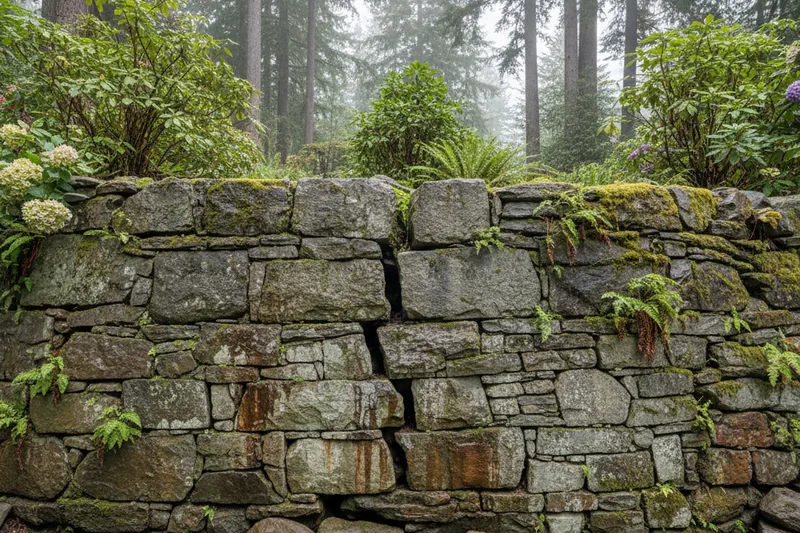
7 Signs Your Retaining Wall is Failing (and How to Save It)
Is your retaining wall trying to tell you something? Learn the warning signs before a small problem becomes a costly collapse.
Retaining walls are the unsung heroes of your property. They quietly hold back tons of soil, manage water runoff, and keep your landscaping in place year after year. But like any structure, they have a breaking point. The trouble is, retaining wall failure rarely happens overnight. It’s a slow, gradual process — and most homeowners don’t spot the warning signs until serious (and expensive) damage has set in.
The same principles apply whether your wall uses concrete blocks, natural stone, timber, or poured concrete: catch the signs early, and you can save the wall. Ignore them, and you risk a full collapse that damages your property, your neighbor’s yard, or worse.
Here are the 7 most critical signs that your retaining wall in Seattle is in trouble — and exactly what you can do about each one.
Sign #1: Horizontal Cracks Running Along the Wall
Not all cracks deserve equal concern. Small hairline cracks on the surface can reflect normal settling — but horizontal cracks are a red flag.
Horizontal cracking typically means the wall faces excessive lateral pressure from the soil behind it. This is one of the earliest signs of a bowing wall. It tells you the soil is winning the battle against your wall’s structure.
What causes it: Saturated soil becomes dramatically heavier than dry soil. Poor drainage behind the wall lets waterlogged earth build enormous outward force. Over time, that pressure overcomes the wall’s resistance and cracks form horizontally along stress points.
How to save it: Don’t ignore horizontal cracks, even small ones. Get a structural engineer or retaining wall specialist to assess them right away. Early intervention often means installing tiebacks or helical anchors to reinforce the wall from behind. Without treatment, horizontal cracks almost always worsen and lead to Sign #2.
Sign #2: The Wall is Visibly Bowing or Leaning
Stand back and view your retaining wall from a distance. It should be perfectly straight (or follow its intended curve). If you notice it bowing outward in the middle or leaning forward at the top — your wall is in serious distress.
A bowing or leaning wall can no longer hold back the lateral soil pressure behind it. This is one of the most urgent signs of retaining wall failure. It tells you the problem has moved well beyond surface damage.
What causes it: Poor original design, drainage failure, freeze-thaw cycles, and surcharge loading all contribute. Surcharge loading means heavy vehicles or structures sit too close to the top of the wall. A wall built to hold a set amount of soil can buckle when a new patio or driveway goes in nearby.
How to save it: A bowing wall needs immediate professional attention. Depending on severity, solutions include:
- Wall anchors or tiebacks — steel rods driven into the soil behind the wall to push back against outward pressure
- Carbon fiber straps — bonded to the wall face to stop movement and prevent further bowing
- Rebuild with proper engineering — severe cases need partial or full reconstruction with corrected drainage and footing depth
The sooner you act, the better the chance repair beats full replacement.
Sign #3: Water Seeping Through or Pooling at the Base
Water is a retaining wall’s biggest enemy. If you spot water weeping through cracks, trickling down the face after rain, or consistently pooling at the base — your drainage system has failed.
A well-built retaining wall includes a drainage layer (gravel backfill), weep holes, and often a drainage pipe along the footing. When these systems clog or a builder skips them entirely, hydrostatic pressure builds behind the wall. Water will always find a way out.
What causes it: Clogged weep holes, fine dirt replacing gravel backfill over time, tree roots blocking drainage pipes, and poor original installation all lead to drainage failure.
How to save it: Start by clearing visible weep holes with a wire brush or compressed air. If pooling continues, a professional may need to excavate behind the wall and install a proper French drain system. Fixing drainage isn’t just a repair — it’s the single best thing you can do to extend your wall’s life.
Sign #5: Gaps Forming Between Wall Sections or Blocks
If your wall uses individual blocks, retaining wall stones, or panels, watch for gaps opening between segments. Gaps mean the wall is shifting. Once sections start separating, water gets in fast — and structural decline speeds up.
For timber walls, look for boards pulling away from posts or fasteners working loose. For concrete block walls, watch for open mortar joints or blocks shifting out of alignment.
What causes it: Poor drainage and soil pressure are the usual suspects. But this sign also points to wall age and material breakdown. Timber walls face extra risk — wood rot weakens connections and lets posts shift. Block walls gap when builders mix mortar poorly or apply it in bad weather.
How to save it: Small gaps (under ½ inch) may get a temporary fix with hydraulic cement or masonry filler. But the root cause — drainage, soil pressure, or material failure — still needs attention. Timber walls with widespread separation usually need full replacement. The rot driving those gaps rarely stays in one spot.
Sign #6: Soil Erosion or Slumping Behind the Wall
Walk to the top of your retaining wall and inspect the soil behind it. Does it slope more steeply than before? Do you see sinkholes, sunken spots, or areas where soil has dropped? That’s backfill slumping — and it means your wall has stopped doing its job.
Soil migrating through or under a retaining wall destabilizes the structure from behind. It also tells you the wall’s base may be undermined. In serious cases, sudden collapse follows with little warning.
What causes it: Failed drainage carries soil through wall gaps. Erosion eats away at the base. Loose or poorly compacted backfill creates voids during original installation. Burrowing animals — yes, groundhogs and moles — are also surprisingly common culprits.
How to save it: Fill and re-grade small depressions, but first figure out why the soil moved. If it escaped through the wall, install drainage fabric (geotextile) to block those pathways before you refill. Significant slumping or voids behind the wall needs professional assessment. The footing’s structural integrity may already be at risk.
Sign #7: The Wall Has Moved Noticeably from Its Original Position
This final sign is the most urgent. You might only catch it by comparing old photos — or by checking landmarks like fence posts, utility boxes, or adjacent pavers. Has the wall shifted horizontally from where it once stood?
Even an inch or two of movement signals a massive amount of force. A wall that has physically moved has been under severe stress for a long time. At this point, wall collapse prevention takes top priority.
What causes it: Severe drainage failure, heavy soil loading, an under-engineered footing, seismic activity, and heavy surcharge loads can all push a wall out of position. A new deck, parking area, or landscaping added above the wall can tip a marginal structure over the edge.
How to save it: Call a structural engineer immediately. A wall that has moved faces a real risk of sudden collapse. Treat it as a safety hazard. Keep people and vehicles clear of the base and the top until an expert evaluates the situation. The team may need to install emergency shoring while they develop a permanent repair or rebuild plan.
Prevention: How to Keep Your Retaining Wall Healthy for Decades
The best retaining wall repair is the one you never have to make. Here’s what proactive maintenance looks like:
Inspect annually — Walk your wall each spring after the freeze-thaw season. Look for new cracks, check weep holes, and note changes in the soil grade above the wall.
Keep weep holes clear — This is the easiest maintenance task with the biggest payoff. Clear weep holes of debris every spring and fall.
Control vegetation — Small plants and ground cover on the soil side are fine. Large shrubs and trees with aggressive root systems planted near the wall cause serious damage over time.
Manage surface drainage — Point downspouts, patios, and driveways away from the top of your retaining wall — never toward it.
Don’t add load without engineering advice — A new patio, parking area, or outbuilding near the wall changes its structural load significantly. If you’re planning patio installation in Seattle's wet climate, consult a professional first — drainage demands make surcharge load a serious concern.
When to Call a Professional
Spotted any of the 7 signs above? Here’s a quick action guide:
- Signs 1 or 4 (cracks) — Book a professional inspection within 30 days
- Signs 2, 5, or 6 (bowing, gaps, erosion) — Schedule an inspection within the week
- Sign 3 (water seeping) — Fix drainage as soon as possible; chronic water infiltration makes every other problem worse
- Sign 7 (wall has moved) — Treat as an emergency. Do not wait.
A qualified retaining wall contractor or structural engineer can tell you whether your wall needs targeted repair, reinforcement, or full replacement. Catching these issues early almost always means lower costs and better outcomes.Concerned about your retaining wall? Don’t wait for things to get worse. Contact our team for a professional assessment and get the expert guidance you need to protect your property.

Written by
Keith EneixCo-Owner, New Life Rockeries
Keith Eneix is a co-owner of New Life Rockeries alongside his brother Neil Eneix. He began helping with operations in 2007 and has been involved ever since. He writes from nearly two decades of hands-on experience with retaining walls, rockeries, and hardscaping across the greater Seattle area.
View full profile →Ready to Start Your Project?
New Life Rockeries has been building retaining walls, rockeries, and hardscaping across the greater Seattle area since 1975. Get your free estimate today.