
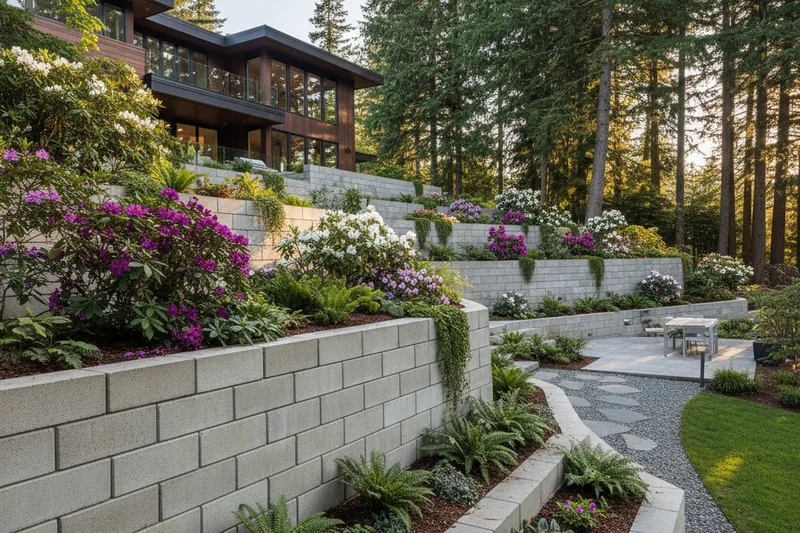
Block Retaining Walls in Seattle, WA: Cost, Durability & Design Options
block retaining walls in Seattle WA: Cost, Durability, Design Options
Block retaining walls are a popular and practical solution for managing sloped landscapes in Seattle, WA. They offer both aesthetic appeal and crucial structural support, preventing soil erosion and creating usable flat areas in uneven terrain. This guide explores the key aspects of block retaining walls in Seattle, covering costs, durability, design considerations, and the installation process.
Cost of block retaining walls in Seattle
The cost of a block retaining wall in Seattle can vary significantly based on several factors, including the wall’s height and length, the type of blocks used, site accessibility, and the complexity of the design. On average, homeowners can expect to pay between $40 to $80 per square foot for professional installation.
Factors influencing cost:
- Wall Size: Taller and longer walls require more materials and labor, increasing the overall cost.
- Block Type: Basic concrete blocks are more affordable, while decorative, textured, or natural stone blocks can significantly raise the price.
- Site Preparation: Extensive excavation, grading, or drainage solutions for challenging Seattle terrain will add to the cost.
- Accessibility: Sites difficult to access with heavy machinery may incur higher labor costs.
- Drainage: Proper drainage is critical in Seattle’s wet climate and may involve additional costs for French drains, gravel backfill, and weep holes.
- Permits: Walls over a certain height (usually 4 feet) require permits, adding to both cost and project timeline.
Durability and lifespan
When properly designed and installed, block retaining walls are exceptionally durable and can last for many decades, often 50 to 100 years or more. Their longevity is attributed to the inherent strength of concrete or natural stone blocks and the interlocking system that distributes pressure evenly.
Factors affecting durability:
- Installation Quality: A solid foundation, proper drainage, and correct backfilling are paramount. Poor installation is the leading cause of premature wall failure.
- Material Quality: High-quality, weather-resistant blocks will naturally last longer.
- Drainage: Effective drainage prevents hydrostatic pressure buildup, which can push walls outward and lead to cracks or collapse.
- Maintenance: Regular inspection and clearing of drainage systems can extend the wall’s life.
- Soil Conditions: Expansive soils or unstable ground can put additional stress on the wall, requiring more robust engineering.
Design options and aesthetics
Block retaining walls offer a wide range of design possibilities, allowing them to blend seamlessly with various landscape styles. From rustic to modern, the aesthetic can be tailored to complement your home’s architecture and outdoor living spaces.
Popular design choices:
- Segmental Retaining Walls (SRWs): These are the most common, using mortarless, interlocking concrete blocks. They come in various colors, textures, and sizes, offering flexibility in design.
- Natural Stone Blocks: For a more organic and high-end look, natural stones like basalt, granite, or sandstone can be used. These are often dry-stacked or mortared for stability.
- Terraced Walls: Instead of one tall wall, multiple shorter walls can be built in steps, creating planting beds and a softer, more integrated look.
- Curved Walls: Blocks can be laid to create gentle curves or dramatic arcs, adding visual interest and flow to the landscape.
- Integrated Features: Retaining walls can incorporate steps, seating, lighting, and planters, enhancing their functionality and aesthetic appeal.
Installation process overview
The installation of a block retaining wall is a multi-step process that requires precision and adherence to engineering principles, especially in Seattle’s unique geological conditions. Here’s a general overview:
1. Site assessment & excavation
The area for the wall is excavated and a compacted gravel base (typically 6–12 inches deep) is laid to ensure a stable, level foundation.
2. Base preparation
The area for the wall is excavated and a compacted gravel base (typically 6–12 inches deep) is laid to ensure a stable, level foundation.
3. Drainage system installation
Perforated drain pipe and gravel backfill are installed behind the first course of blocks – critical in Seattle’s wet climate.
4. Block laying & geogrid (if needed)
Blocks are set course by course. For taller walls, geogrid reinforcement is layered in at specified intervals to increase structural strength.
5. Cap placement & finishing
Cap blocks are secured on the top course. Final backfill is compacted and the site is cleaned up and graded for proper surface drainage.Maintenance tips for Seattle’s climate
Even the best-installed retaining wall blocks seattle projects need some attention over the years to stay in peak condition. Here’s how to protect your investment:
Inspect the wall each spring after the rainy season for any shifting, bulging, or cracked blocks.
Clear drain outlet pipes of debris (leaves, sediment) at least once a year.
Pull weeds growing in block joints promptly – roots can eventually destabilize the wall structure.
Watch for efflorescence (white mineral deposits) on block faces – a sign of moisture migration that may indicate a drainage issue.
Re-apply joint sand to segmental block walls every few years to maintain stability.
Frequently asked questions
What is the best block type for retaining walls in Seattle?
For most residential projects, concrete segmental blocks (Allan Block, Versa-Lok) offer the best balance of cost, durability, and design flexibility. For premium aesthetics, natural basalt or granite stone blocks are an excellent long-term investment in Seattle’s landscape.
How tall can a block retaining wall be in Seattle without a permit?
Generally, walls under 4 feet in height (measured from the bottom of the footing) do not require a permit in Seattle. However, proximity to property lines, slopes, or structures may trigger additional review. Always verify with SDCI or your licensed contractor before starting.
How long does it take to install a block retaining wall in Seattle?
A typical residential block retaining wall project takes 2–5 days for installation, depending on wall length, height, and site conditions. Permitting can add several weeks to the overall timeline if required.
Can I install block retaining walls myself in Seattle?
Small walls under 2–3 feet on stable, level ground can be DIY projects. However, Seattle’s challenging terrain, soil conditions, and rainfall make professional installation strongly recommended for anything taller or load-bearing. Improper drainage or base preparation is the number one cause of early wall failure.Do block retaining walls add value to a Seattle home?
Yes – well-designed retaining walls that create usable outdoor space, protect against erosion, and enhance curb appeal consistently add value in the Seattle real estate market. Functional landscaping is highly sought after by buyers in hillside neighborhoods throughout King County.
Working with a contractor in Seattle WA
Constructing retaining walls in Seattle, WA is a project that benefits greatly from the expertise of a professional contractor. Seattle’s unique landscape, with its steep slopes and variable soils, means that every new retaining wall must be carefully designed to meet both functional needs and local building codes. An experienced contractor will guide you through the entire process-from the initial site assessment to the final installation-ensuring that your wall is built to last and enhances your outdoor space.
A knowledgeable contractor will help you select the right materials for your project, whether you’re drawn to the timeless beauty of natural stone or the versatility and strength of concrete. They’ll take into account your property’s specific requirements, your design preferences, and your budget to recommend the best options for your space. By understanding the nuances of Seattle’s permitting process and construction standards, a professional ensures your retaining wall is not only visually appealing but also structurally sound and compliant with all local regulations.
Working with a contractor also means you’ll benefit from their experience in creating functional and beautiful outdoor spaces. From maximizing usable yard space to integrating your new retaining wall seamlessly with existing landscaping, a professional team will handle every detail. This collaborative approach results in a finished wall that not only protects your property but also elevates the overall look and value of your Seattle home.

Written by
Keith EneixCo-Owner, New Life Rockeries
Keith Eneix is a co-owner of New Life Rockeries alongside his brother Neil Eneix. He began helping with operations in 2007 and has been involved ever since. He writes from nearly two decades of hands-on experience with retaining walls, rockeries, and hardscaping across the greater Seattle area.
View full profile →Ready to Start Your Project?
New Life Rockeries has been building retaining walls, rockeries, and hardscaping across the greater Seattle area since 1975. Get your free estimate today.