
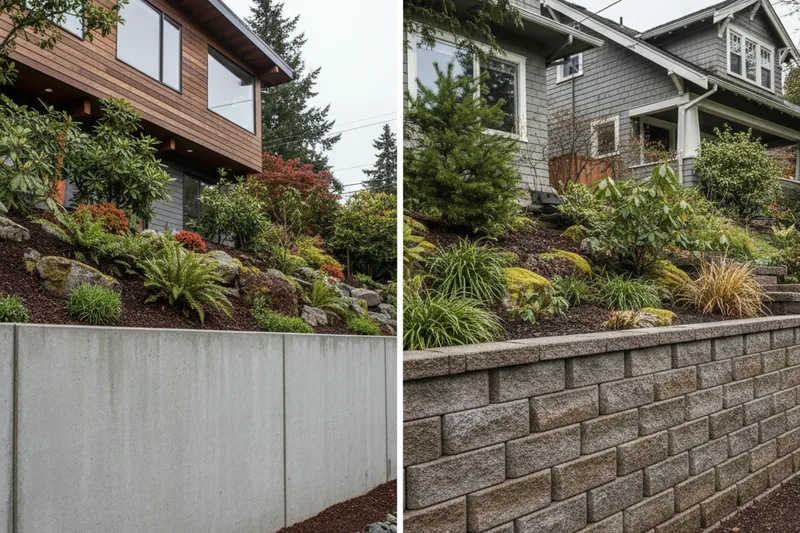
Seattle Retaining Wall Construction: Concrete vs Block Retaining Walls
If you own property in the Pacific Northwest, you already know that Seattle’s hilly terrain and heavy rainfall can put serious pressure on your landscape. Whether you’re managing slope erosion, creating usable outdoor space, or protecting your home’s foundation, retaining wall contractors is one of the most impactful investments you can make.
A well-designed retaining wall can transform your backyard into a more usable and attractive outdoor living space, perfect for relaxation, gardening, or entertaining. Retaining walls can be constructed from a variety of materials, including blocks, wood, natural stone, gabion baskets, lock blocks, and poured concrete. But before breaking ground, one key decision stands out: should you go with concrete retaining walls or block retaining walls?
In this guide, we break down both options — covering durability, cost, aesthetics, and performance in Seattle’s unique climate — so you can choose the solution that’s right for your property.
Introduction to Retaining Walls
Retaining walls are essential structures designed to hold back soil and prevent erosion, especially in regions like Seattle where heavy rainfall and sloped yards are common. These walls not only provide crucial support to keep soil in place, but they also help protect your property from water damage and foundation issues. By working with experienced retaining wall contractors, Seattle homeowners can create outdoor spaces that are both functional and aesthetically pleasing.
Whether constructed from concrete, natural stone, or wood, a well-built retaining wall enhances the beauty of your landscape, adds usable space, and increases the overall value of your property. In addition to their practical benefits, retaining walls can be designed to complement your home’s style, making them a standout feature in any yard.
Why retaining walls matter in Seattle
Seattle averages over 37 inches of rain annually. That moisture, combined with the city’s famously uneven topography, creates constant pressure on hillside soils. Without a properly designed retaining wall, you risk soil erosion, slope failure, and costly structural damage to your home or driveway. Retaining walls also help protect foundations from water damage and slope instability, making them essential for managing and shaping your land.
Beyond protection, retaining wall landscaping seattle projects can dramatically transform your outdoor space — turning an unusable slope into terraced garden beds, level patios, or improved drainage zones. Effective erosion control is a key benefit, helping stabilize slopes and support sustainable landscapes.
Natural stone retaining wall are visually impressive when constructed correctly, and the right design can enhance both the aesthetic and functional qualities of your land. Whether your project is residential or commercial, the type of wall you choose will affect everything from long-term durability to curb appeal.
Concrete retaining walls in Seattle
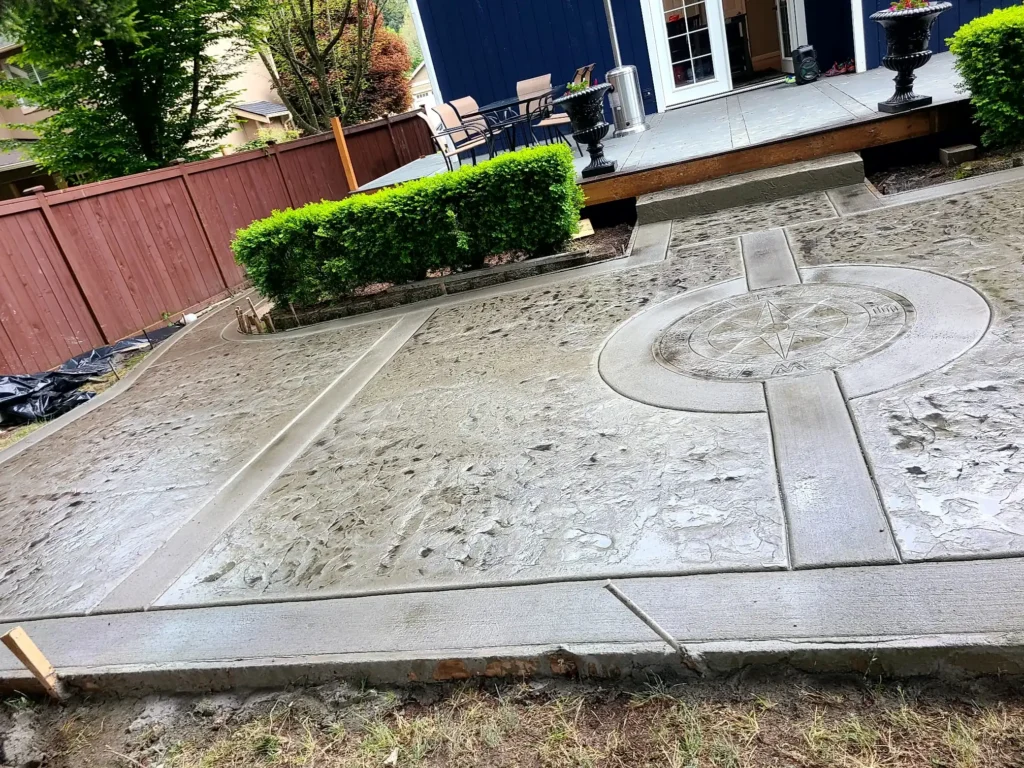
When people think of concrete retaining wall construction in Seattle, they often picture large poured walls used in highways or commercial developments. However, concrete retaining walls and precast concrete panels are increasingly popular for residential use, especially for larger or more structurally demanding projects. Concrete retaining walls are valued for their durability, functionality, and ability to enhance outdoor aesthetics, making them a preferred choice for landscaping and slope stabilisation.
While concrete retaining walls offer longevity and customisable options, manufactured retaining wall products are the fastest and cheapest option, providing a wide variety of textures, colours, shapes, and sizes to suit different design preferences.
Quality concrete work is essential for a successful retaining wall installation, and the expertise of experienced professionals ensures both the structural integrity and visual appeal of your project. The installation process should always include a thorough assessment of the site and soil conditions, as proper retaining wall installation is a complex piece of landscaping that requires professional expertise to ensure longevity and effectiveness.
Advantages of concrete retaining walls
- Maximum strength: Concrete walls handle the highest loads, making them ideal for taller walls (over 4 feet) or walls near structures.
- Longevity: With proper drainage and installation, concrete walls can last 50+ years in Seattle’s wet climate.
- Low long-term maintenance: Poured concrete is monolithic — fewer joints mean fewer places for moisture to intrude.
- Design flexibility: Concrete can be formed, textured, or stained to match your home’s aesthetic.
- Attention to detail: Professional installation with meticulous attention to detail ensures quality craftsmanship, durability, and customer satisfaction.
- Installation challenges: Common challenges during seattle retaining wall construction include ensuring proper drainage and avoiding structural failure.
Disadvantages of concrete retaining walls
- Higher upfront cost compared to block alternatives.
- Requires professional equipment, skilled labor, and heavy lifting for proper forming and pouring.
- Cracking can occur if drainage behind the wall is inadequate.
The installation of retaining walls is a significant project that requires careful planning and can impact overall costs.
Block retaining walls: a versatile Seattle favorite
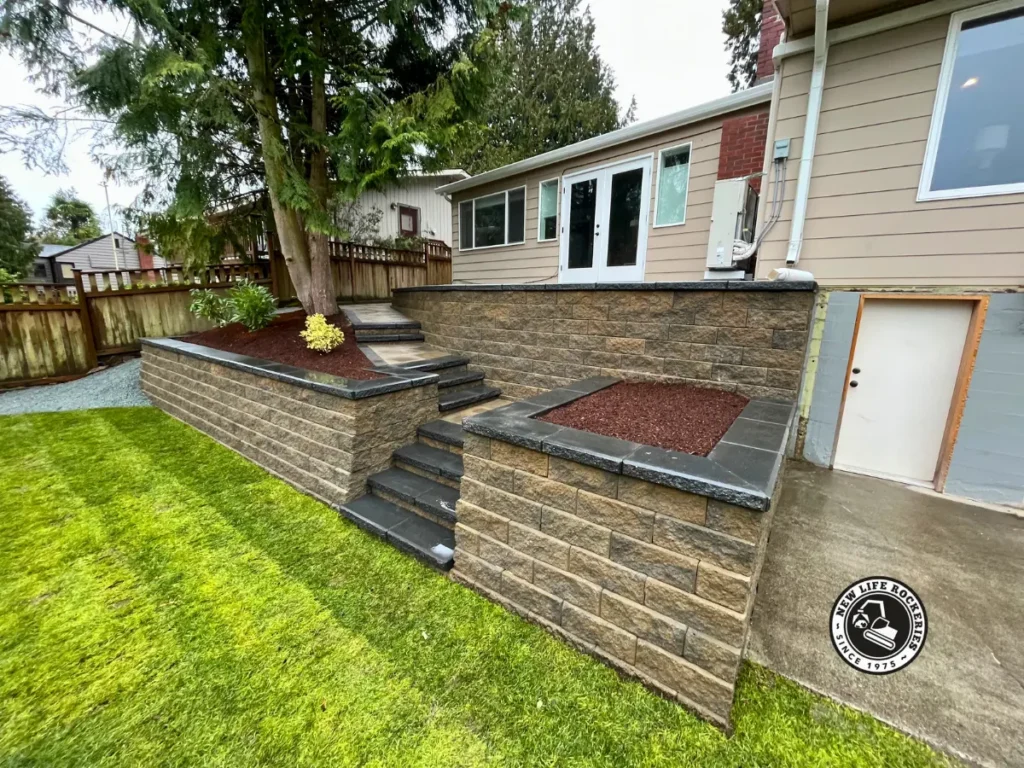
Segmental retaining wall blocks — commonly known as concrete blocks, Allan Block, or natural stone blocks — are among the most popular choices for seattle retaining wall construction projects. Stone retaining walls are a traditional and visually appealing option within these choices, offering durability and timeless beauty for terraces, steps, and decorative features. Their modular design makes them adaptable to a wide range of budgets, slope types, and design preferences, and block retaining wall systems in Seattle can easily accommodate corners and curves for versatile outdoor hardscape projects.
Freestanding landscape walls also provide opportunities for innovative outdoor living space designs.
Advantages of block retaining walls
- Cost-effective: Block walls are typically less expensive to install than poured concrete, especially for mid-height residential walls.
- Built-in drainage: The gaps between blocks naturally allow water to pass through, which is a major advantage given Seattle’s rainfall.
- Aesthetic variety: Available in dozens of textures, colors, and styles to complement your retaining wall landscaping seattle design.
- Integration with pavers: Block retaining walls can be seamlessly integrated with pavers for patios and walkways, enhancing the functionality and beauty of your outdoor living spaces.
- Easier repairs: Individual blocks can be replaced if damaged, without tearing down the entire structure.
- Professional installation: Working with professionals helps avoid common pitfalls encountered during the installation of retaining walls.
Disadvantages of block retaining walls
- Not recommended for very tall walls (typically capped at 3 to 4 feet without professional engineering).
- Can shift over time if the base isn’t properly compacted and leveled, so hiring professionals ensures the job is done correctly and helps avoid issues with shifting or improper installation.
- May require geogrid reinforcement for taller applications, adding cost.
Concrete vs block: side-by-side comparison
Concrete retaining walls
Block retaining walls
Best for tall or load-bearing wallsBest for residential landscaping50+ year lifespan20–30 year lifespan (with care)Higher upfront costLower upfront costMinimal joints, fewer leak pointsNatural drainage built inRequires professional formingDIY-friendly for small wallsIdeal for commercial/structural useWide aesthetic varietyComprehensive Seattle retaining wall construction services from New Life Rockeries ensure all aspects of your project are covered by experienced professionals, including proper drainage solutions.
For most Seattle homeowners tackling slopes under 4 feet with landscaping in mind, block retaining walls offer the best balance of cost, drainage, and curb appeal. For taller walls, structural applications, or commercial projects, concrete retaining walls are the stronger long-term investment.
When it comes to drainage, French drains are commonly used in conjunction with retaining walls to manage excess water and improve soil drainage.
Retaining Wall Installation Process
The process of retaining wall installation involves several key steps to ensure a durable and attractive result. It begins with a thorough site assessment, where experienced retaining wall contractors evaluate your outdoor living space and determine the optimal location and design for your wall. Next, the area is carefully excavated, and a solid foundation is laid to support the structure.
The wall is then constructed using your chosen materials—whether stone, concrete, or another option—ensuring each layer is properly aligned and secured. A critical part of the process is installing a drainage system behind the wall to manage excess water and prevent future issues. Once the wall is built and drainage is in place, the area is backfilled and finished with a decorative cap or coping stone for a polished look. Throughout the entire wall installation, contractors work closely with homeowners to ensure the finished product meets both functional needs and design preferences, seamlessly integrating with the rest of the outdoor space.
Retaining Walls in Seattle Landscaping
In Seattle landscaping, retaining walls are more than just practical solutions—they are transformative features that help homeowners make the most of their outdoor spaces. With the city’s hilly terrain and frequent heavy rainfall, constructing retaining walls allows you to create level areas for paver patios, gardens, and other outdoor amenities, all while preventing soil erosion and protecting your home’s foundation.
These walls can also be used to design beautiful outdoor spaces, such as terraced gardens or integrated water features, adding significant aesthetic appeal to your property. When installing retaining walls in Seattle, it’s important to follow local building codes and regulations to ensure safety and compliance. Experienced contractors can guide you through these requirements, helping you create functional and visually stunning landscapes that stand up to the region’s unique challenges.
Retaining Wall Maintenance and Repair
To keep your retaining wall both functional and aesthetically pleasing for years to come, regular maintenance and timely repairs are essential. This includes inspecting the wall for signs of erosion, cracking, or shifting, as well as cleaning and maintaining the drainage system to ensure water flows away from your property.
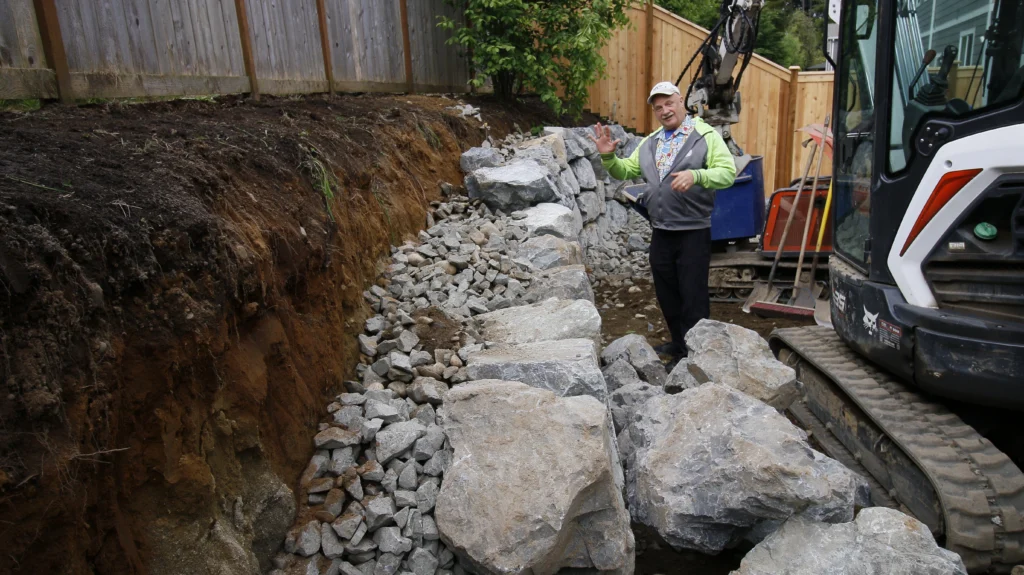
Preventing erosion can also be achieved by planting deep-rooted vegetation or installing geotextile fabric behind the wall. Scheduling regular inspections with experienced retaining wall contractors allows you to catch potential issues early, avoiding costly repairs down the line. By prioritising maintenance and addressing minor repairs promptly, you can protect your investment, maintain the beauty of your outdoor living space, and ensure your retaining wall continues to perform its vital function in your landscape.
Retaining Wall Project Cost and Budgeting
Budgeting for a retaining wall project in Western Washington involves considering several factors, including the size and complexity of the wall, the materials selected, and the specific site conditions. In the greater Seattle area, retaining wall projects can range from a few thousand dollars for smaller installations to tens of thousands for larger, more complex designs.
When planning your project, factor in the costs of materials, labor, permits, and any additional features such as drainage systems or decorative finishes. Experienced retaining wall contractors can provide detailed estimates and help you create a budget that aligns with your goals and financial plan. By focusing on quality materials and expert craftsmanship, you’ll ensure your new retaining wall is both durable and functional, enhancing your outdoor living space and protecting your property for years to come.
Permits and regulations in Seattle
Before starting any seattle retaining wall construction project, it’s important to understand local permit requirements. The City of Seattle generally requires a building permit for retaining walls over 4 feet in height (measured from the bottom of the footing to the top of the wall). Walls near property lines, public rights-of-way, or structures may require engineering review regardless of height.
Always consult with a licensed Seattle contractor or structural engineer to ensure your project meets Seattle Department of Construction & Inspections (SDCI) guidelines. Skipping this step can lead to costly fines or mandatory removal of unpermitted work.
Seattle customers benefit from a variety of local contractors specialising in Seattle retaining walls, offering both functional solutions like slope stabilisation and aesthetic enhancements. Many contractors in Seattle offer free quotes and consultations for retaining wall projects and often provide detailed proposals to help customers make informed decisions. Contractors in Seattle frequently serve surrounding areas such as King, Snohomish, and Skagit Counties. There is a strong focus on customer satisfaction and personalised service for Seattle customers, ensuring their needs are met throughout the project.
Drainage: the Seattle factor you can’t ignore
No discussion of concrete retaining walls in Seattle or block wall construction is complete without addressing drainage. Seattle’s wet climate means hydrostatic pressure-the buildup of water behind a wall – is one of the top causes of retaining wall failure in the region.
A properly designed drainage system is critical for the longevity and stability of any retaining wall. This typically includes a layer of gravel or crushed rock behind the wall, a perforated drain pipe at the base, and weep holes to allow water to escape. Without adequate drainage, water can accumulate, leading to increased pressure on the wall, cracking, bulging, or even collapse. Experienced retaining wall contractors in Seattle understand these unique challenges and incorporate robust drainage solutions into every project, ensuring your wall stands strong against the elements.
Conclusion: Choosing the right retaining wall for your Seattle property
Choosing between concrete and block retaining walls for your Seattle property depends on your specific needs, budget, and aesthetic preferences. Both options offer distinct advantages, from the superior strength and longevity of concrete to the versatility and cost-effectiveness of blocks.
Ultimately, the success of your retaining wall project hinges on careful planning, quality materials, and expert installation. By understanding the pros and cons of each type and working with experienced Seattle retaining wall contractors, you can make an informed decision that enhances your landscape, protects your property, and adds lasting value to your home.
Ready to transform your outdoor space with a beautiful and functional retaining wall? Contact New Life Rockeries today for a free consultation and let our team of experts help you design and build the perfect solution for your Seattle property.

Written by
Keith EneixCo-Owner, New Life Rockeries
Keith Eneix is a co-owner of New Life Rockeries alongside his brother Neil Eneix. He began helping with operations in 2007 and has been involved ever since. He writes from nearly two decades of hands-on experience with retaining walls, rockeries, and hardscaping across the greater Seattle area.
View full profile →Ready to Start Your Project?
New Life Rockeries has been building retaining walls, rockeries, and hardscaping across the greater Seattle area since 1975. Get your free estimate today.