
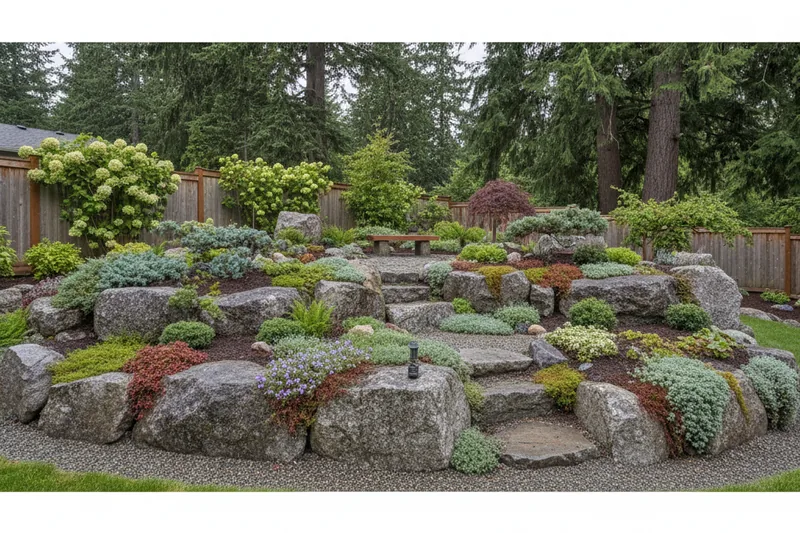
How to Choose the Best Rockery Design for Your Small Garden
Best Rockery Design for Small Garden
Having a small garden can be a challenge, but it doesn’t mean you can’t have a beautiful outdoor space. With a little creativity and some smart design choices, you can transform your small garden into a stunning oasis. One way to do this is by incorporating a rockery. A rockery is a garden feature that uses rocks, plants, and other elements to create a natural-looking landscape. It can add visual interest, texture, and a sense of tranquility to your garden. In this article, we will explore some of the best rockery designs for small gardens, helping you make the most of your limited space and create a captivating outdoor retreat.
What is a Rockery?
A rockery, also known as a rock garden, is a type of garden that features a prominent display of rocks, stones, and boulders. These natural elements are carefully arranged to create a visually appealing landscape that mimics mountainous or rocky terrains. Rockeries often incorporate a variety of plants that thrive in rocky environments, such as alpine plants, succulents, and drought-tolerant species. The combination of rocks and plants creates a harmonious and low-maintenance garden that can be enjoyed year-round.
Benefits of a Rockery in a Small Garden
Even in a small garden, a rockery can offer numerous benefits:
- Visual Interest: The varying sizes, shapes, and textures of rocks add depth and visual appeal to your garden, making it more engaging and dynamic.
- Low Maintenance: Once established, rockeries require minimal maintenance. The plants chosen for rockeries are typically hardy and drought-tolerant, reducing the need for frequent watering and pruning.
- Space Optimization: Rockeries can be designed to fit into awkward or sloped areas of your garden, making efficient use of available space. They can also create the illusion of a larger garden by adding vertical elements.
- Natural Habitat: Rockeries provide a natural habitat for various small creatures, such as insects and lizards, contributing to the biodiversity of your garden.
- Year-Round Beauty: With a careful selection of evergreen plants and interesting rock formations, a rockery can maintain its beauty throughout all seasons, even in winter.
Best Rockery Design Ideas for Small Gardens
Here are some creative rockery design ideas that are perfect for small gardens:
1. Alpine Rockery
An alpine rockery is a classic choice for small gardens. It features a collection of small, slow-growing alpine plants nestled among rocks. These plants are known for their vibrant colors and delicate flowers, creating a miniature mountain landscape. To create an alpine rockery, choose a sunny spot with good drainage and arrange rocks of various sizes to create crevices and pockets for planting. Use a gritty soil mix to ensure proper drainage for the alpine plants.
2. Succulent Rockery
If you prefer a more modern and drought-tolerant option, a succulent rockery is an excellent choice. Succulents come in a wide range of shapes, sizes, and colors, making them ideal for creating visually striking arrangements. Combine different types of succulents with interesting rock formations to create a desert-inspired landscape. Succulent rockeries require minimal watering and are perfect for busy gardeners or those in arid climates.
3. Japanese Zen Rockery
For a serene and minimalist aesthetic, consider a Japanese Zen rockery. This design focuses on simplicity, balance, and natural elements. It typically features carefully raked gravel or sand, a few strategically placed rocks, and perhaps a small, sculpted plant or moss. The idea is to create a calming and meditative space that encourages contemplation. Japanese Zen rockeries are perfect for small gardens where you want to create a sense of tranquility and harmony.
4. Tiered Rockery
If your small garden has a slope or uneven terrain, a tiered rockery can be a practical and beautiful solution. By creating multiple levels or terraces with rocks, you can add visual interest and create distinct planting areas. This design allows you to showcase a variety of plants at different heights, adding depth and dimension to your garden. Tiered rockeries also help with drainage and prevent soil erosion on slopes.
5. Water Feature Rockery
To add an extra element of tranquility and sensory appeal, incorporate a small water feature into your rockery design. A miniature waterfall, a bubbling fountain, or a small pond can create a soothing ambiance and attract birds and other wildlife to your garden. Combine the water feature with carefully placed rocks and water-loving plants to create a harmonious and natural-looking display. A water feature rockery can transform your small garden into a peaceful sanctuary.
Tips for Designing a Rockery in a Small Garden
When designing a rockery for your small garden, keep these tips in mind:
- Choose the Right Rocks: Select rocks that are proportionate to the size of your garden. Avoid using overly large rocks that can overwhelm the space. Opt for a variety of shapes, sizes, and colors to create visual interest.
- Consider Drainage: Proper drainage is crucial for a successful rockery. Ensure that your chosen location has good drainage or amend the soil with grit and sand to improve it.
- Select Appropriate Plants: Choose plants that are well-suited for rocky environments and the climate in your area. Consider their mature size, growth habit, and maintenance requirements.
- Create Focal Points: Use larger rocks or unique plant specimens to create focal points within your rockery. This will draw the eye and add visual interest.
- Layer and Group Plants: Arrange plants in layers, with taller plants at the back and shorter ones at the front, to create depth and visual appeal. Group plants with similar needs together for easier maintenance.
- Add Pathways or Stepping Stones: If your rockery is large enough, incorporate small pathways or stepping stones to allow for easy access and to enhance the overall design.
- Consider Lighting: Strategic lighting can highlight your rockery and create a magical ambiance during the evening hours. Use subtle uplighting or spotlights to emphasize key features.
Conclusion
A rockery can be a fantastic addition to any small garden, transforming it into a captivating and low-maintenance outdoor space. By carefully selecting rocks, plants, and design elements, you can create a rockery that reflects your personal style and enhances the beauty of your home. Whether you opt for an alpine, succulent, Japanese Zen, tiered, or water feature rockery, the key is to create a harmonious and balanced composition that brings joy and tranquility to your small garden. So, unleash your creativity and embark on the journey of designing your own stunning rockery, and watch your small garden come alive with natural beauty.
1. Find the Perfect Location to Build Your Rockery
This is the first step when it comes to rockery design and improving your backyard. Before beginning to build your small rockery, you need to look over your backyard and decide where you would like to build it. If you are going for a rock garden, you may want to put it towards the rear or to one side of your backyard. However, you’ll want to consider front or center locations if you want to add a rock fire pit or water feature.
By taking the time to find the perfect location for your rockery design, you can make sure that your garden will be able to successfully highlight features of your yard. After all, you don’t want to start building a small rockery in your garden that won’t fit properly in that corner of the yard or begin installing a firepit where the yard floods during the summer.
2. Determine Your Aesthetic Preferences
What is your style? Chances are, your home reflects your aesthetic preferences and style extremely well. In a similar way, your backyard garden should also reflect your style. Determining your likes and dislikes will help you avoid wasted time and lost money and will also ensure that you end up with a beautiful rock garden that you are proud of.
Spend some time determining your style and figuring out your aesthetic preferences for your backyard. One way to do this is to look at photos of other small gardens with rockeries and take note of what rockery designs and features you like and don’t like.
3. What Types of Rock are Best for Your Small Rockery?
It’s important to consider what kinds of rock you want to use in your rockery design. If you are hoping to install a vintage themed rockery design for your small garden, then you should use rocks that are softer and more porous. This will help your rockery achieve that aged, weathered look much quicker.
On the contrary, harder, less porous rocks maintain their “new” appearance much longer. You don’t want these kinds of rock in a vintage garden, but do want them in a modern-styled rockery.
4. Make the First Sketch
Once you have found the location where you will put your small rockery and you’ve determined your aesthetic preferences, take a day or two to draw up the first sketch. Something that might help you during the sketching process is looking up other rockery designs online.
Sketching it out will help you make sure that the rockery design you see in your head will look good in your backyard.
5. Use Different Shapes, Sizes, & Elements
If you are looking for a way to add natural beauty to your small backyard, you might be surprised at how easy it is to do. Utilizing different natural elements in your small backyard rockery will give your space a unique, creative look and feel. You can achieve this by implementing rocks, bark, and ground cover plants in your small rockery design. Remembering to add these kinds of elements will give you access to a whole new range of colors and textures.
If you love spending time in nature or simply want to spruce up your small backyard, be sure to implement many different sized elements with color and texture to add an earthy, artistic look.
6. Use Rockeries to add a Focal Point
Does your yard lack a focal point? The wonderful thing about rockeries is that they can easily be used as a means to add a focal point to your small backyard.You can do this by adding a prominent water feature to the center of your garden or using a boulder to draw the visitor’s eye.
Adding a rockery focal point to your small backyard can make such an immediate difference and can help your yard feel very intentional and cohesive.
7. Contact our Team of Professional Landscapers Today!
Adding a small rockery that reflects your personal style will compliment your backyard and give your home a feeling of completeness. Such a big endeavor should not be undertaken alone. By working with a professional landscape contractor you can ensure that your rockery design is properly installed.
New Life Rockeries has been serving Pacific Northwest homeowners for more than 30 years. We specialize in rockeries and landscape design and would love to help you improve your outdoor aesthetic.
If you would like to add a rockery design to your small garden, contact us today to speak with one of our rockery professionals. We’d be happy to answer any of the questions you may have about our services or provide you with a quote for your backyard project.

Written by
Keith EneixCo-Owner, New Life Rockeries
Keith Eneix is a co-owner of New Life Rockeries alongside his brother Neil Eneix. He began helping with operations in 2007 and has been involved ever since. He writes from nearly two decades of hands-on experience with retaining walls, rockeries, and hardscaping across the greater Seattle area.
View full profile →Ready to Start Your Project?
New Life Rockeries has been building retaining walls, rockeries, and hardscaping across the greater Seattle area since 1975. Get your free estimate today.